
Company Updates, Industry News
Landfill Tax Reform: A Tipping Point for Waste and Quarry Sectors
With only days to go until the Government’s consultation on landfill tax reform closes (21st July 2025), we at Heatons have submitted our response and we didn’t hold back.
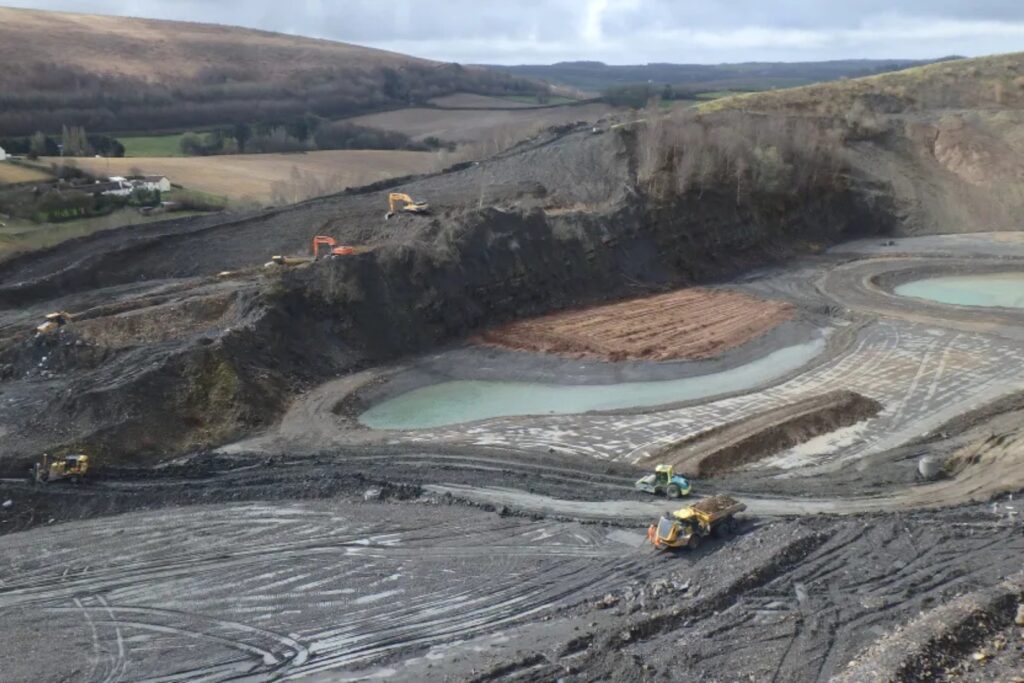
The proposed move to a single-rate landfill tax has ignited widespread concern across both the waste management and quarrying sectors. As consultants working across these industries, we’ve seen first-hand the potential impacts of such sweeping changes and we believe this consultation could mark a turning point for the UK’s circular economy, for better or worse.
Why This Consultation Matters
Landfill Tax is a critical lever in the UK’s environmental policy. But the current proposals, including abolishing the lower rate of tax, scrapping exemptions for quarry restoration, and removing the controversial qualifying fines regime, risk causing widespread disruption and unintended environmental harm.
From construction to quarrying, and from recycling to restoration, the consequences of these changes could be significant.
Our Key Concerns with the Current Proposals
1. The Case Against a Single Rate
A single rate will not magically drive materials up the waste hierarchy. Without a coherent Circular Economy Strategy, such a move risks damaging compliant businesses while doing little to improve recycling outcomes. We argue instead for a gradual escalator on the lower rate, not a blunt, overnight shift.
2. Devastating Impact on Quarry Restoration
Removing the quarry exemption while still treating quarry restoration as “landfill” is particularly problematic. This change misunderstands the operational realities of site restoration, potentially leaving many quarries unrestored and threatening housing and infrastructure supply chains.
3. Misinterpretation of Waste Misdescription
The consultation leans heavily on claims of widespread waste misclassification. But these claims are based on highly uncertain statistics and questionable assumptions. The real issue lies in the failure to provide clear, workable guidance especially around the Loss on Ignition (LOI) testing regime.
What’s at Stake?
To illustrate just one impact: under the proposed single rate, a typical 10-tonne skip (used for mixed domestic and construction waste) could rise in cost from £400 to nearly £950. That’s a massive increase and it’s likely to push waste producers toward illegal dumping, not greener practices.
Add to that increased costs in quarry restoration, house building, and infrastructure development, and the ripple effects on the economy, especially the construction sector, are significant.
Our Recommendations to Government
Rather than rushing to a single-rate system, we urge the government to:
- Introduce a middle-rate band for certain waste streams.
- Retain the quarry exemption, or create a new, very low rate for inert landfill used in restoration.
- Reform, not abolish, the qualifying fines regime shifting toward independent auditing over unreliable LOI tests.
- Maintain water discounting, but reintroduce proper oversight by HMRC specialists.
And above all, to work with industry, not against it, to build a landfill tax system that supports both environmental goals and economic sustainability.
Final Thoughts from Heatons
This consultation may be about tax but its consequences will be environmental, social, and economic. If implemented carelessly, the reforms could backfire, damaging legitimate operations and encouraging the very waste crime they aim to deter.
We hope the government listens to the industry’s concerns and proceeds with caution. There is a better way, one that balances environmental ambition with regulatory realism.
To view our full consultation response, contact us directly. Jason Stringer, Director of Permitting.