
Ben is a Chartered Geologist who joined Heatons earlier this year, bringing over two decades of experience in the quarrying and construction materials sector. With such a wealth of knowledge and a deep passion for geology, we sat down with Ben to find out more about his career, his interests, and his thoughts on the industry.
What first sparked your interest in geology, and how has that passion evolved over the years?
I think it’s always been there. I’ve had a fascination with the natural world from a very young age, back when it was all about dinosaurs and volcanoes! I grew up on the south coast of England, surrounded by the shingle beaches and the rolling hills of the South Downs, so I was always exposed to geology in one form or another.
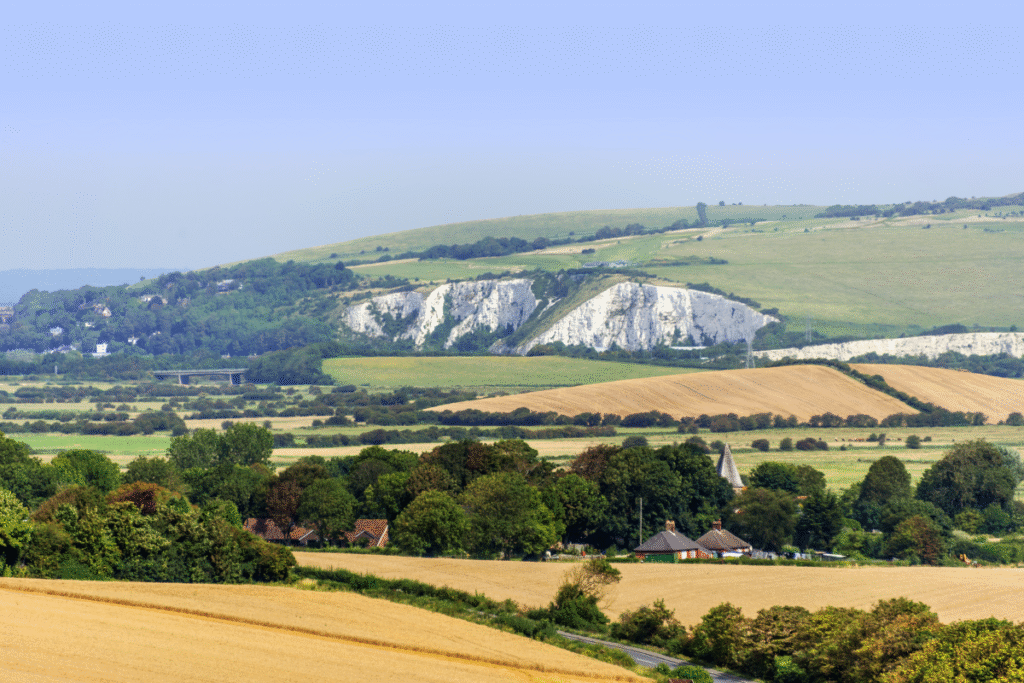
We’d often play in the chalk pits and hollows in the hills (all publicly accessible!), many of which I later discovered were neolithic flint mines. I was also a keen reader, often getting lost in my parents’ old encyclopaedias or leafing through maps at the local library, imagining faraway deserts and mountain ranges.
I didn’t have a clear direction until I chose Geology as one of my A-levels. The college had a fantastic geology department, and I was fortunate to be taught by an inspiring teacher who spotted my potential. I loved every aspect of the subject; fieldwork, lab work, classroom discussions and it just clicked for me. I didn’t fully understand what a geologist actually did, but I knew it was the path I wanted to follow.
After a winding road through higher education, I completed my degree with the Open University while working full-time in a quality control lab for a marine-dredged aggregate company. That led to my first job as a geologist with a national quarrying company, and my career took off from there.
These days, my passion has shifted from the academic to the practical. I’m fascinated by how geology and the extractive industries shape both our physical landscapes and our societies. I’ve got a bit of a reputation as a “quarry spotter”! Anywhere people live, you’ll find traces of how they’ve used local materials. Geology is both under our feet and at the foundation of everything we build.
Can you walk us through a typical week in your role, or is there such a thing as a typical week?
One of the things I love about working in consultancy is the sheer variety, meaning that every single day is different. Over the years, I’ve worked on everything from active and mothballed quarries to identifying sites with future mineral potential, across all kinds of landscapes.
My role is to help clients solve problems, whether that’s locating new mineral resources, designing safe and efficient site developments, or protecting important geological sites. I also bring expertise in 3D design and GIS, so I often contribute to drawings and modelling across a range of projects.
At Heatons, I’m involved in both technical delivery and business development. My time is split between working from my home office, visiting clients on site, and attending industry events.
You’ve worked in the quarrying sector for many years, how has that experience shaped your approach today?
Having worked on both the “client side” and in consultancy, I’ve developed a balanced view of the pressures businesses face. Industry experience taught me the importance of managing both short-term profitability and long-term resource planning. In consultancy, I’ve had the chance to work across sectors and disciplines, which really broadened my understanding of what makes a successful project.
Everything is interconnected – technical, regulatory, environmental, and commercial factors all play a role. That’s shaped how I approach projects: with curiosity, collaboration, and a keen awareness of the wider context.
What’s the biggest misconception people have about geology in the planning and environmental sector?
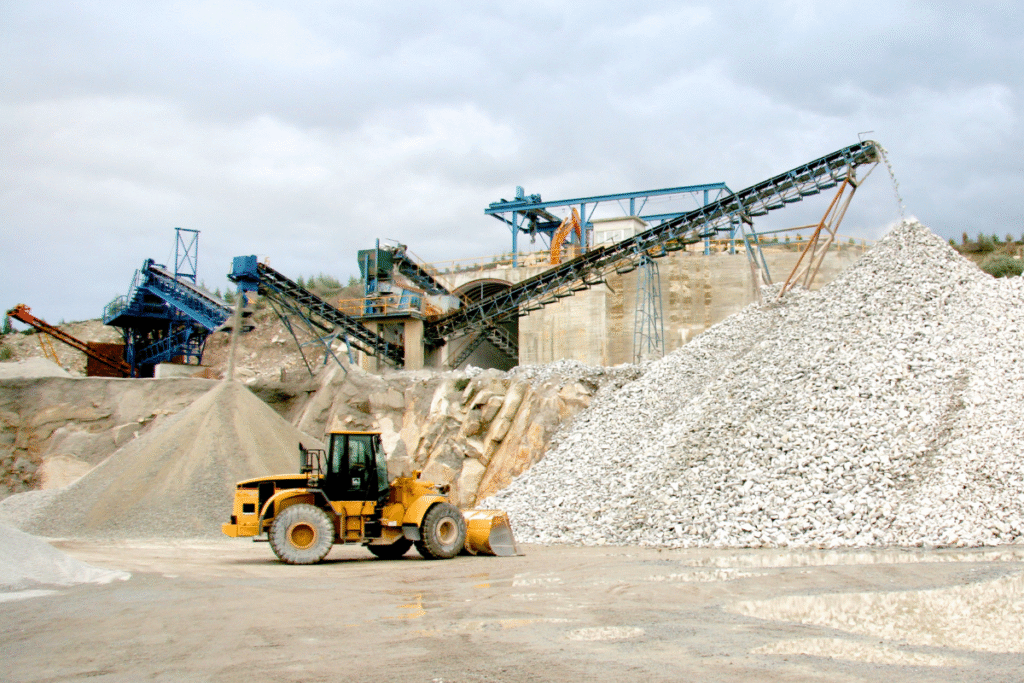
There’s often a lack of awareness or sometimes a negative perception, of the quarrying and mining sectors. People may not realise why quarries exist or how vital they are. And while it’s true the industry hasn’t always had a perfect track record, modern practices are heavily regulated and environmentally conscious.
Two key truths really underpin our relationship with raw materials: “If you can’t grow it, you have to dig it,” and “Minerals can only be worked where they exist.” Our job is to balance society’s needs with the environmental and social impact of extraction. And let’s not forget, many people who work in the sector live in those same communities and care deeply about the land.
In what ways do you collaborate with other disciplines or teams within Heatons?
Although much of my work centres on quarrying, geology plays a crucial role in many types of development. From assessing legacy mining issues to safeguarding resources and supporting land-use planning, it’s relevant across the board.
At Heatons, we take a multidisciplinary approach. I might be working on a new quarry site one day, and the next, supporting the restoration design alongside our ecology team, or helping the planning team prepare land for housing once extraction is complete. It’s that cross-pollination of ideas and expertise that makes the job exciting.
Are there any trends or changes in the industry that you’re particularly excited, or concerned about?
There are both challenges and opportunities on the horizon. The government is keen to boost construction, which will drive demand for raw materials, but only if those materials are accessible and permitted for use. Securing those resources is becoming increasingly difficult.
We’re also facing a workforce crisis, with an aging pool of technical experts and regulators. Add to that the growing impact of climate change, water availability, energy use, flooding and the sector needs to stay nimble.
The good news is the industry is very good at adapting. Groups like Minerals Matter and the EIG Conferences (which I have the pleasure to serve on the committee for) are doing fantastic work to promote geology careers in schools and universities. There are also exciting innovations like low-carbon cement, recycling of construction waste, and Carbon Capture & Storage (CCS). And who knows, maybe even AI will lend a hand!
What advice would you give to someone starting a career in geology today?
Say yes to opportunities, even if they don’t fit into a neat career plan. I certainly didn’t have a long-term roadmap, but being open to new experiences has taken me places I never expected.
I’m probably midway through my career now, and I still find myself asking, “What’s the next thing I want to learn?” Build a wide toolkit of skills, stay curious, and try to understand the perspectives of others. That’s how you grow and stay interested.
Outside of work, how do you like to spend your time?
I enjoy making music, going to gigs, and exploring Bristol’s fantastic food and drink scene. When I can, I head out on long countryside walks or bike rides with friends and family. It’s the perfect way to reset.